Understanding Heat Pump Technology in Nebraska’s Climate
Heat pumps represent one of the most versatile and energy-efficient solutions for year-round comfort in Omaha homes. Unlike traditional heating and cooling systems that generate heat or remove it separately, heat pumps transfer heat between your home and the outdoor environment, providing both heating and cooling from a single system. This dual functionality makes them particularly valuable in Nebraska’s variable climate, where temperatures can swing from below-zero winters to sweltering summers exceeding 95 degrees Fahrenheit.
The technology behind heat pumps relies on refrigerant cycling and the principles of thermodynamics. During winter months, the system extracts heat from outdoor air—even when temperatures drop below freezing—and transfers it inside your home. In summer, the process reverses, removing heat from your indoor spaces and releasing it outdoors. Modern heat pumps can maintain efficiency even when Omaha temperatures plummet to negative values, thanks to advanced compressor technology and improved refrigerant formulations that perform effectively across wider temperature ranges.
Energy Efficiency Benefits and Cost Savings
Heat pumps deliver exceptional energy efficiency compared to conventional heating systems, typically achieving 300-400% efficiency ratings. This means for every unit of electricity consumed, the system produces three to four units of heating or cooling energy. In contrast, even the most efficient gas furnaces max out at around 98% efficiency. For Omaha homeowners, this translates to significant utility bill reductions, especially during mild fall and spring weather when heat pumps operate at peak efficiency.
D & K Heating & Cooling has installed countless heat pump systems throughout the Omaha-Council Bluffs metropolitan area since 1977, when Dick and Karen Kudlacek founded the company. Our experience shows that homeowners typically see energy cost reductions of 30-50% when switching from electric resistance heating to heat pump technology. Additionally, many utility companies in Nebraska offer rebates and incentives for heat pump installations, further improving the return on investment. The Omaha Public Power District frequently provides rebates ranging from $400 to $1,200 for qualifying high-efficiency heat pump installations.
Types of Heat Pump Systems We Install
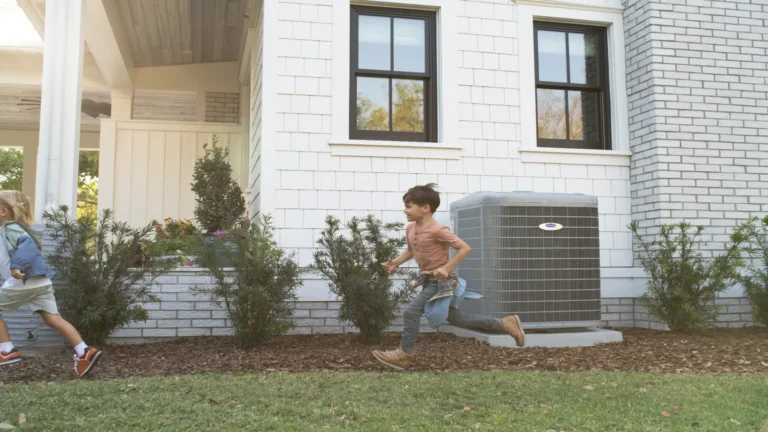
Air-source heat pumps remain the most common choice for Omaha homes, extracting heat from outdoor air and requiring minimal installation modifications to existing ductwork. These systems work exceptionally well in Nebraska’s climate, particularly newer models with variable-speed compressors that adjust output based on heating and cooling demands. We install leading brands that feature two-stage and variable-capacity operation, allowing precise temperature control while minimizing energy consumption during moderate weather conditions.
Geothermal heat pumps, also known as ground-source systems, utilize the earth’s constant underground temperature to achieve even greater efficiency levels. While requiring more extensive installation involving underground loop fields, these systems provide the highest efficiency ratings available, often exceeding 400% efficiency even during extreme weather. Ductless mini-split heat pumps offer another excellent option, particularly for homes without existing ductwork, room additions, or spaces requiring independent temperature control. These systems eliminate duct losses entirely and allow customized comfort zones throughout your home.
Installation Process and Technical Considerations
Proper heat pump installation requires careful load calculations to determine the correct system size for your home. We perform detailed Manual J calculations, considering factors including:
- Home square footage and ceiling heights: Larger spaces and higher ceilings require more heating and cooling capacity
- Insulation levels and window efficiency: Better insulation reduces system size requirements and improves overall performance
- Directional exposure and shading: South-facing rooms with minimal shade need additional cooling capacity
- Occupancy patterns and heat-generating appliances: More occupants and equipment increase cooling loads
The installation process typically takes one to two days for standard air-source systems. We begin by removing existing equipment if necessary, then install the outdoor unit on a level pad or mounting bracket. Indoor components, including the air handler and evaporator coil, get positioned to optimize airflow throughout your ductwork. Refrigerant lines connect indoor and outdoor units, requiring precise brazing and pressure testing to ensure leak-free operation. Electrical connections must meet specific amperage requirements, often necessitating dedicated circuits or electrical panel upgrades.
Maintenance Requirements and System Longevity
Heat pumps require regular maintenance to maintain peak efficiency and extend equipment lifespan. We recommend biannual service visits—spring and fall—to prepare your system for heavy cooling and heating seasons. During these comprehensive HVAC maintenance appointments, our technicians clean both indoor and outdoor coils, check refrigerant levels, test electrical components, and verify proper airflow throughout the system. Dirty coils can reduce efficiency by up to 30%, while incorrect refrigerant charges strain compressors and shorten equipment life.
Homeowners should replace air filters monthly during peak usage periods and keep outdoor units clear of debris, maintaining at least two feet of clearance around all sides. Snow accumulation during Omaha winters requires careful removal to prevent ice buildup that can damage fan blades and restrict airflow. With proper maintenance, modern heat pumps typically last 15-20 years, though we service many systems exceeding 25 years of reliable operation.
Making the Right Choice for Your Omaha Home
Selecting the ideal heat pump involves evaluating multiple factors beyond initial equipment costs. Consider your home’s existing infrastructure, including electrical service capacity and ductwork condition. Older homes may require electrical upgrades to accommodate heat pump power requirements, while leaky or undersized ductwork diminishes system performance regardless of equipment quality. We assess these factors during our initial consultation, providing comprehensive recommendations tailored to your specific situation.
Climate considerations play a crucial role in heat pump selection for Nebraska homes. While standard heat pumps work effectively in most situations, homes in exposed locations experiencing severe wind chill may benefit from dual-fuel systems combining heat pumps with backup gas furnaces. This hybrid approach maximizes efficiency during mild weather while ensuring reliable heating during extreme cold snaps. As your trusted heating and air conditioning contractor serving Omaha, La Vista, Papillion, and surrounding communities, we help you navigate these decisions, ensuring your investment delivers maximum comfort and value for years ahead.