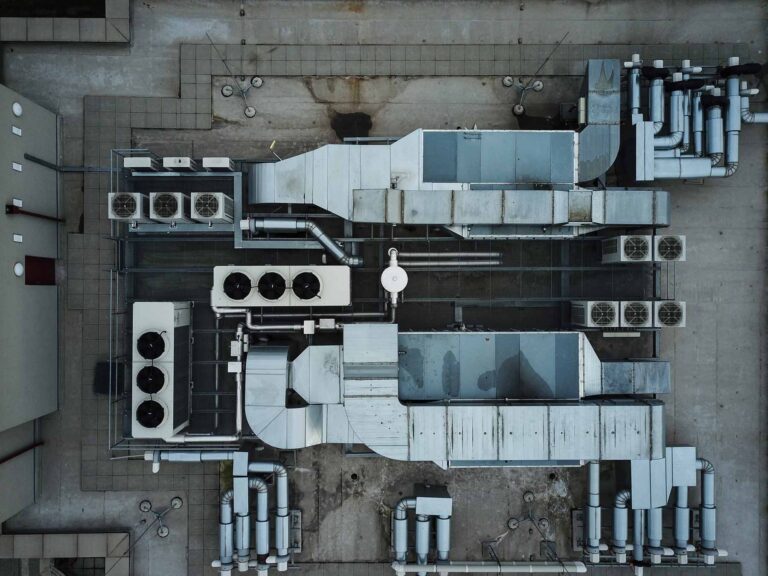
Understanding Light Commercial HVAC Systems
Light commercial HVAC systems represent a crucial segment of our comprehensive HVAC solutions at D & K Heating & Cooling. These systems bridge the gap between residential and heavy commercial applications, serving businesses that require more robust climate control than typical home systems can provide, yet don’t need the extensive infrastructure of large industrial installations. We specialize in designing, installing, and maintaining these systems for small to medium-sized businesses throughout Omaha, La Vista, Papillion, and the surrounding areas.
Our experience with light commercial HVAC spans across various business types, from retail stores and restaurants to small office buildings and medical clinics. Each of these environments presents unique challenges that require specialized knowledge and equipment. Light commercial systems typically range from 5 to 25 tons of cooling capacity, significantly more than residential units but still manageable within standard commercial building designs. These systems must handle higher occupancy loads, extended operating hours, and varying usage patterns while maintaining energy efficiency and reliability.
Types of Light Commercial HVAC Equipment
At D & K Heating & Cooling, we work with several types of light commercial HVAC equipment to meet diverse business needs. Rooftop units (RTUs) remain one of the most popular choices for light commercial applications. These self-contained systems combine heating and cooling components in a single package, mounted on the building’s roof to save valuable interior space. RTUs offer excellent accessibility for maintenance and can be easily expanded or replaced as business needs change. We often recommend these units for retail spaces, restaurants, and single-story office buildings where roof access is readily available.
Split systems provide another excellent option for light commercial applications, particularly when rooftop installation isn’t feasible or desired. These systems separate the condensing unit from the air handling unit, allowing for flexible installation configurations. We frequently install split systems in multi-tenant buildings, where individual business owners want independent climate control. Variable refrigerant flow (VRF) systems have gained popularity in recent years for their exceptional energy efficiency and zone control capabilities. These systems allow different areas of a building to maintain different temperatures simultaneously, making them ideal for offices with varying occupancy patterns or businesses with distinct climate needs in different zones.
Energy Efficiency Considerations for Light Commercial HVAC
Energy efficiency stands at the forefront of modern light commercial HVAC design, and we prioritize this aspect in every installation. Since the time of its founding in 1977 by Dick and Karen Kudlacek, D & K Heating & Cooling has been the Omaha-Council Bluffs metropolitan area’s most trusted heating and air conditioning contractor, and we’ve witnessed firsthand how energy-efficient systems can dramatically reduce operating costs for local businesses. Modern light commercial units feature SEER ratings of 15 or higher, with some premium models achieving ratings above 20. These efficiency improvements translate directly into lower utility bills and reduced environmental impact.
We also emphasize the importance of proper sizing and load calculations for light commercial systems. Oversized units cycle on and off frequently, reducing efficiency and causing uncomfortable temperature swings. Undersized units run continuously, struggling to maintain desired temperatures while consuming excessive energy. Our technicians perform detailed load calculations considering factors such as building orientation, insulation levels, window placement, occupancy patterns, and heat-generating equipment. This comprehensive approach ensures that each system we install operates at peak efficiency while providing optimal comfort.
Maintenance Requirements for Light Commercial Systems
Regular maintenance proves essential for light commercial HVAC systems, which typically operate longer hours and under more demanding conditions than residential units. We recommend quarterly maintenance visits for most light commercial applications, though some high-use environments like restaurants may benefit from monthly service. Our maintenance programs include comprehensive inspections of all system components, from filters and belts to electrical connections and refrigerant levels.
Preventive maintenance extends beyond simple filter changes. We inspect and clean evaporator and condenser coils, check and adjust refrigerant charges, verify proper airflow, test all safety controls, and calibrate thermostats and control systems. These proactive measures prevent unexpected breakdowns that can disrupt business operations and lead to costly emergency repairs. We also provide detailed maintenance reports that help business owners track system performance over time and plan for eventual equipment replacement.
Common Light Commercial HVAC Applications
Our light commercial HVAC services cater to a diverse range of businesses throughout the Omaha metropolitan area. We’ve successfully installed and maintained systems for:
- Retail stores: requiring consistent temperatures to ensure customer comfort and protect inventory
- Medical and dental offices: needing precise temperature and humidity control for patient comfort and equipment operation
- Restaurants: demanding robust ventilation systems to handle kitchen heat and maintain dining area comfort
- Small office buildings: requiring flexible zoning to accommodate varying occupancy patterns
- Educational facilities: needing reliable climate control for optimal learning environments
- Light manufacturing spaces: requiring specialized ventilation and temperature control for production processes
Advanced Control Systems and Building Automation
Modern light commercial HVAC systems increasingly incorporate sophisticated control systems that optimize performance while reducing energy consumption. We install and program building automation systems (BAS) that allow business owners to monitor and control their HVAC systems remotely. These systems provide real-time data on energy usage, system performance, and maintenance needs. Smart thermostats and programmable controls enable precise scheduling that aligns HVAC operation with business hours, preventing energy waste during unoccupied periods.
Integration with other building systems represents another advancement in light commercial HVAC control. We can configure HVAC systems to work in conjunction with lighting controls, security systems, and occupancy sensors. This integration creates a truly intelligent building environment that responds automatically to changing conditions. For example, occupancy sensors can trigger ventilation adjustments in conference rooms, while integration with security systems can automatically adjust temperatures when the building is armed for the night.
Planning Your Light Commercial HVAC Installation
When planning a light commercial HVAC installation, several factors deserve careful consideration. Budget constraints often play a significant role, but we encourage business owners to consider total cost of ownership rather than just initial installation costs. Higher-efficiency systems may cost more upfront but typically pay for themselves through energy savings within a few years. We provide detailed cost analyses that help business owners make informed decisions based on their specific circumstances and financial goals.
Future expansion possibilities should also factor into system selection. We design systems with growth in mind, ensuring that additional capacity can be added without complete system replacement. This forward-thinking approach proves particularly valuable for growing businesses that may need to expand their facilities or increase occupancy in the coming years. Our comprehensive HVAC solutions include not just equipment selection and installation but also ongoing support to ensure your system continues meeting your needs as your business evolves.