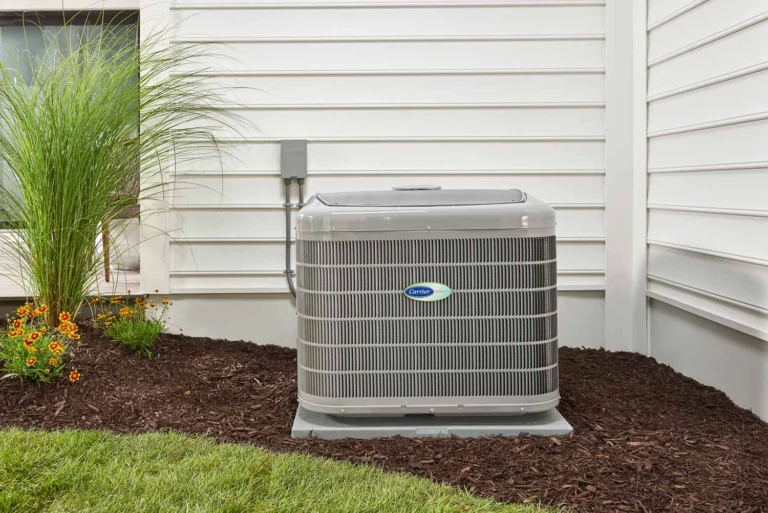
Picture the moment a technician wraps up an installation in your Omaha home and hands you the paperwork. The unit hums along, the air feels comfortable, and everything looks fine on the surface. Six months later, you notice uneven temperatures between rooms, a spike in your energy bills, or a compressor that short-cycles on hot afternoons. In many cases, the equipment isn’t the problem—the workmanship behind the installation is. Knowing how to spot quality craftsmanship before you sign a contract can save you years of frustration and expense.
Look at How the Contractor Sizes Your System
The single most telling sign of a skilled contractor is whether they perform a load calculation before recommending equipment. A proper Manual J calculation accounts for your home’s square footage, insulation levels, window placement, ceiling height, and local climate conditions. A contractor who eyeballs the job or simply matches the size of your old unit is cutting corners that will cost you later.
Oversized systems cool or heat too quickly, then shut off before removing humidity or distributing air evenly. Undersized systems run constantly and struggle during Nebraska’s temperature extremes. When we approach a project at D & K Heating & Cooling, we measure and document these variables so the equipment matches your actual needs. If a contractor can’t explain why they chose a particular capacity, that’s a red flag worth taking seriously.
Inspect the Details of the Installation Itself
Quality workmanship shows up in the small things that most homeowners never think to check. When evaluating completed work—or asking to see photos of previous jobs—pay attention to how the components are assembled and secured.
- Refrigerant line connections: Look for clean, properly brazed joints rather than loose fittings that can leak over time.
- Condensate drainage: A well-installed system routes condensate away from the unit with a proper slope and includes a safety overflow switch.
- Electrical connections: Wiring should be neat, labeled, and secured to code, not draped loosely or spliced haphazardly.
- Ductwork transitions: Sealed and supported connections at the plenum and returns indicate care, while gaps and sagging duct sections point to rushed labor.
A contractor who takes pride in their work leaves a jobsite that looks organized and deliberate. Sloppy routing, unsecured lines, and missing sealant are early warnings that the installation may fail prematurely.
Ask About Testing and Verification
Installing equipment is only half the job. The other half is verifying that it operates the way the manufacturer intended. Skilled technicians take measurements after startup rather than assuming everything is fine because the system turns on.
During a professional startup, we check refrigerant charge using superheat and subcooling readings, measure airflow across the coil, verify static pressure in the duct system, and confirm that the temperature differential between supply and return air falls within the correct range. These numbers tell us whether your system will deliver its rated efficiency. When you interview a heating and cooling contractor, ask how they confirm a system is running correctly. A vague answer usually means they skip this step entirely.
Consider Experience, Licensing, and Reputation
Longevity in this industry says something. Since the time of its founding in 1977 by Dick and Karen Kudlacek, D & K Heating & Cooling has been the Omaha-Council Bluffs metropolitan area’s most trusted heating and air conditioning contractor. That kind of track record reflects thousands of installations, repairs, and service calls across Omaha, La Vista, and Papillion. Experience matters because HVAC work involves variables that only reveal themselves over time—older home layouts, unusual ductwork, and equipment combinations that require careful judgment.
Before hiring anyone, confirm a few fundamentals that separate serious professionals from fly-by-night operators.
- Proper licensing and insurance: Verify that the contractor is licensed to work in Nebraska and carries liability coverage.
- Manufacturer credentials: Factory training and certifications indicate the technicians understand the specific equipment they install.
- Written estimates and scope: A detailed proposal that spells out equipment, labor, and warranty terms protects both parties.
Judge the Quality of Communication
Workmanship isn’t limited to the physical installation. The way a contractor communicates during heating repair, HVAC repair, air conditioning service, and AC repair reveals how they treat their customers. Clear explanations, honest answers about repair versus replacement, and respect for your home all point to a company that stands behind its work.
When you recognize these signs—thorough sizing, careful installation, verified performance, proven experience, and straightforward communication—you can hire with confidence. We built our reputation across Omaha, La Vista, and Papillion by delivering exactly that kind of dependable, detail-oriented service on every job.